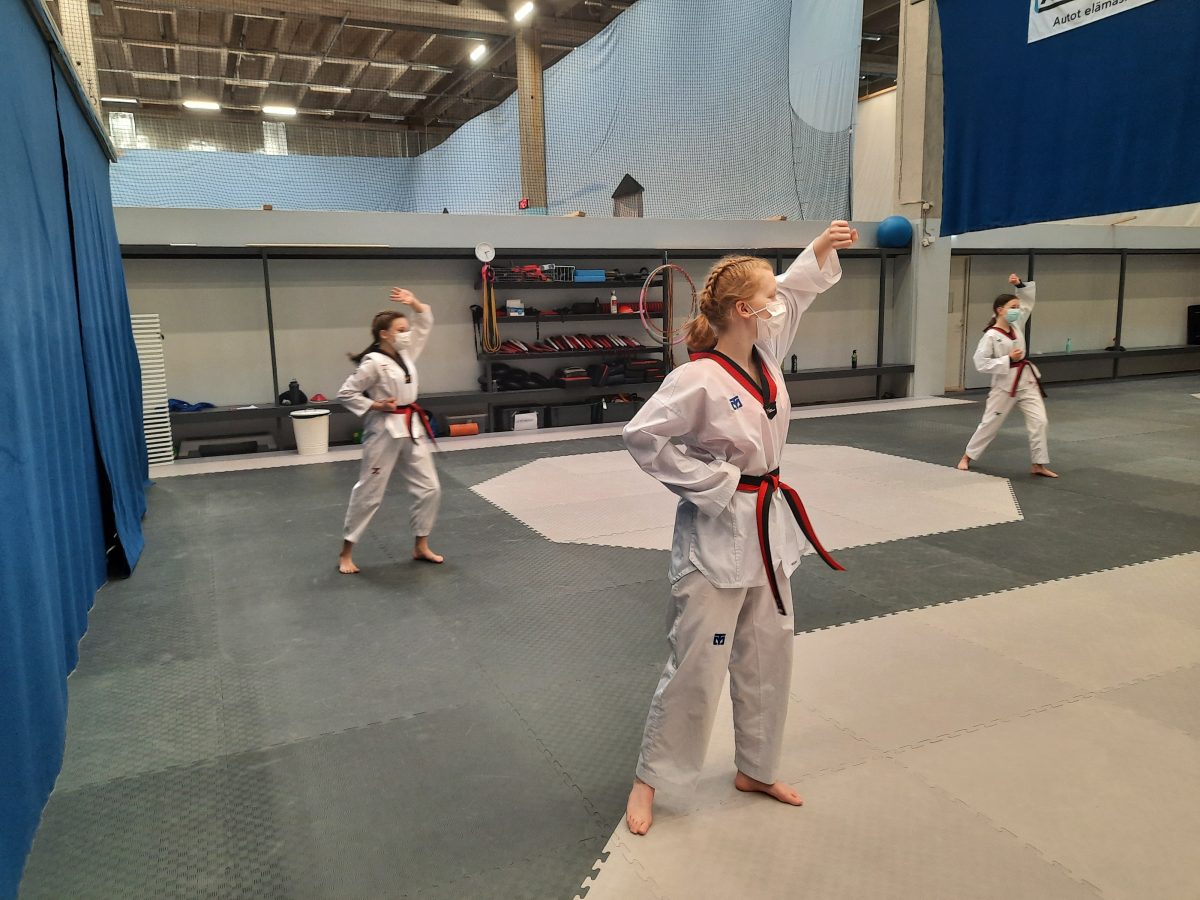
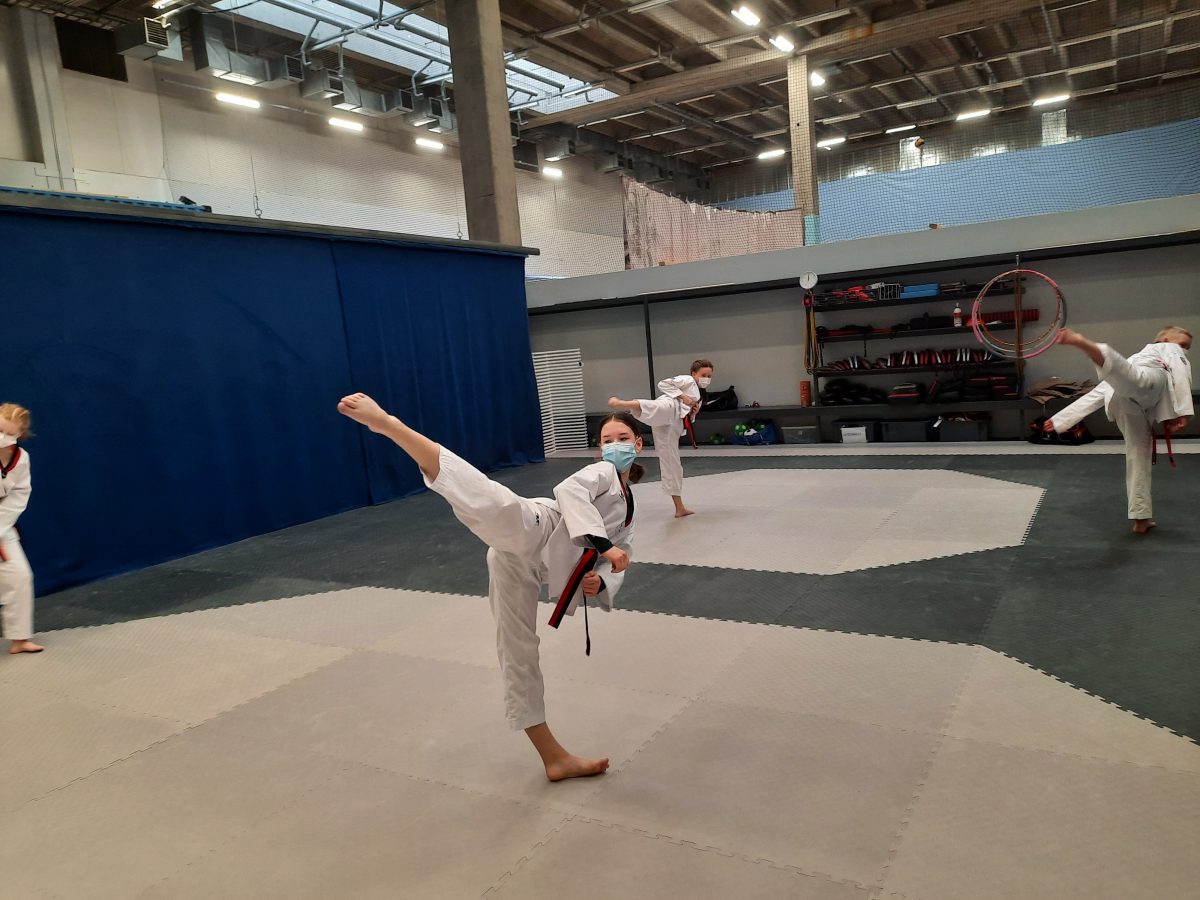
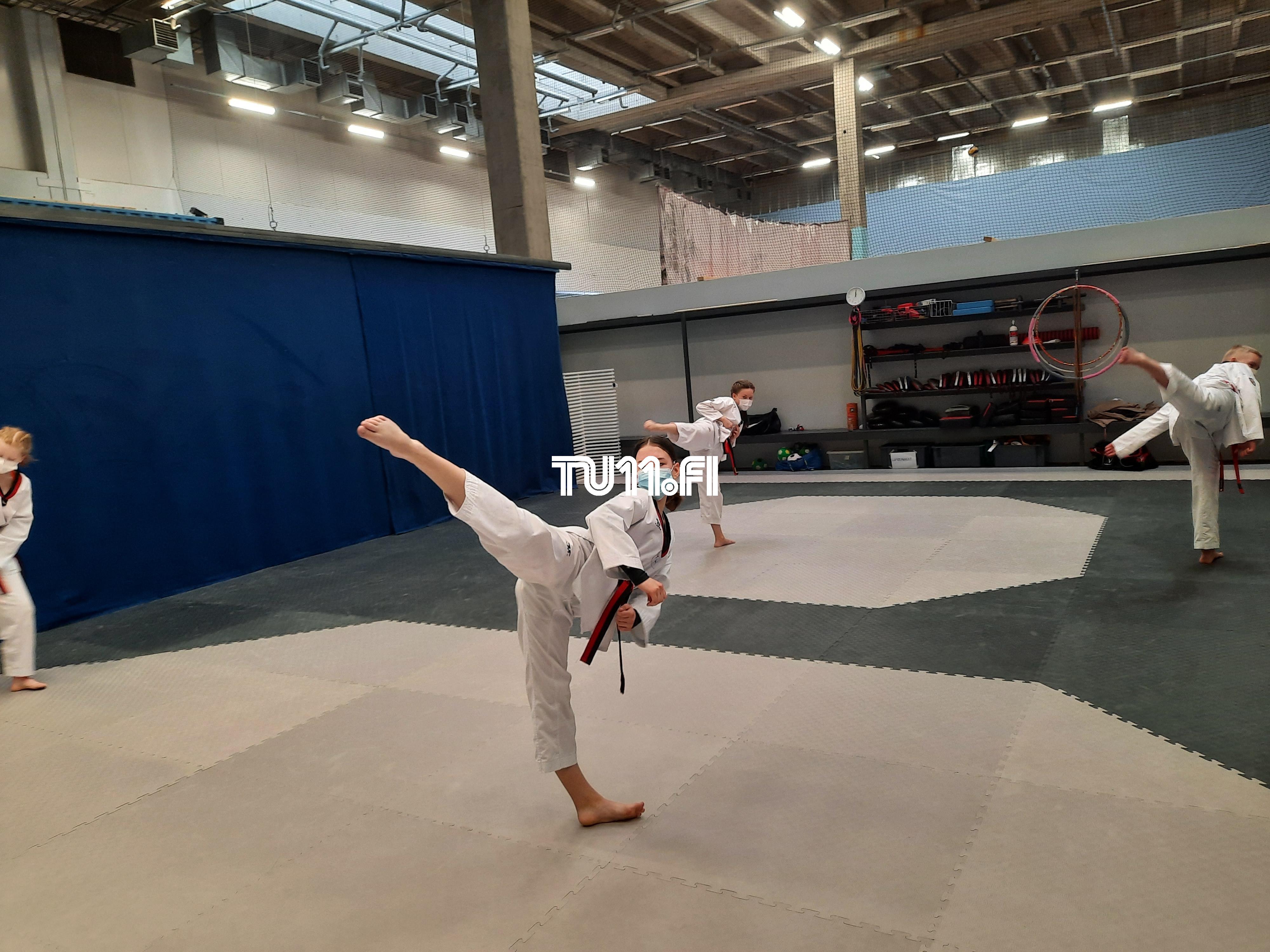
This program supports you in self-paced training. Athletes' starting levels, emphasized characteristics and goals are very variable, so the program has been created so that everyone can apply it as part of their training. For example. younger athletes may do 4 self-paced exercises a week, while juniors and adults can easily do more than ten. The most important thing is that the athletes maintain their training routines and develop the qualities that are not usually trained so much.
Your coaches will be happy to help you find your own training routine. Ask Paul for more information first. Separate instructions are given to athletes preparing for value competitions on a case-by-case basis.
What qualities are practiced?
- Sports technique and sports skills
- Endurance training
- Speed training and jumping training
- Strength training
- Mobility and stretching
How much should you exercise?
Exact amounts cannot be defined in the general program. Targeted training amounts for athletes competing at the KV level under normal conditions:
- Pre-cadet: 2-5 hours per week / 2-4 times. per week
- Cadet: 4-8 hours per week / 3-5 times. per week
- Junior: 7-15 hours per week / 6-10 times. per week
- Adult: 8-20 hours per week / 7-12 times. per week
Younger athletes in particular need support in implementing and planning their training, so it's good for parents to be involved in thinking about how many times a week and what to train under exceptional circumstances. It's always better if the parent can participate in the training in one way or another. Having your own sweat session with an athletic youngster is hardly a bad idea for anyone.
Recommendation for exercise amounts:
- Sports technique and sports skills – 1-3 times a week
- Durability – 1-4 times a week
- Strength training – 2-4 times a week
- Mobility and stretching 2-5 times a week
As stated, everyone chooses how many exercises to do and with what weights. However, it would be good to do exercises evenly in each area.
An example week
The sample week is designed so that it has a sufficient number of exercises and intensity for junior and adult athletes, meaning that those younger than this can skip some of the exercises. However, there is no obstacle to the fact that even the younger ones cannot practice a large number of hours per week.
You can find descriptions of the exercises in this plan.
Mobility and stretching are part of every exercise, but when mentioned separately, they mean training dedicated to stretching, where the goal is to develop mobility.
Sample week 1
|
|
Exercise 1
|
Exercise 2
|
|
Mon
|
Sport technique and skills
|
Traditional fitness circuit (strength)
|
|
Tuesday
|
Long-term running exercise
|
Slow holds and postural control exercises (strength)
|
|
Wed
|
Sport technique and skills
|
Mobility and stretching (developing)
|
|
Thu
|
Sport technique and skills
|
Interval training
|
|
Fri
|
AMRAP
|
Restorative running exercise
|
|
La
|
Walking etc. restorative
|
Mobility and stretching (developing)
|
|
Sun
|
Core (power)
|
Sports technique and skills OR mobility and stretching (developing)
|
Example week 2
| |
Exercise 1
|
Exercise 2
|
|
Mon
|
Sport technique and skills – kicking and foot control training
|
Hill training (endurance)
|
|
Tuesday
|
Deck of Cards (Strength)
|
Mobility and stretching (developing)
|
|
Wed
|
Sport technique and skills
|
Long-term running training (endurance)
|
|
Thu
|
Boring but effective (power)
|
Mobility and stretching (developing)
|
|
Fri
|
Sport technique and skills
|
Pyramid Against Time (Power)
|
|
La
|
Walking etc. restorative
|
Mobility and stretching (developing)
|
|
Sun
|
Sport technique and skills – kicking and foot control training
|
Jogging in the forest (endurance)
|
Sports technique and sports skills
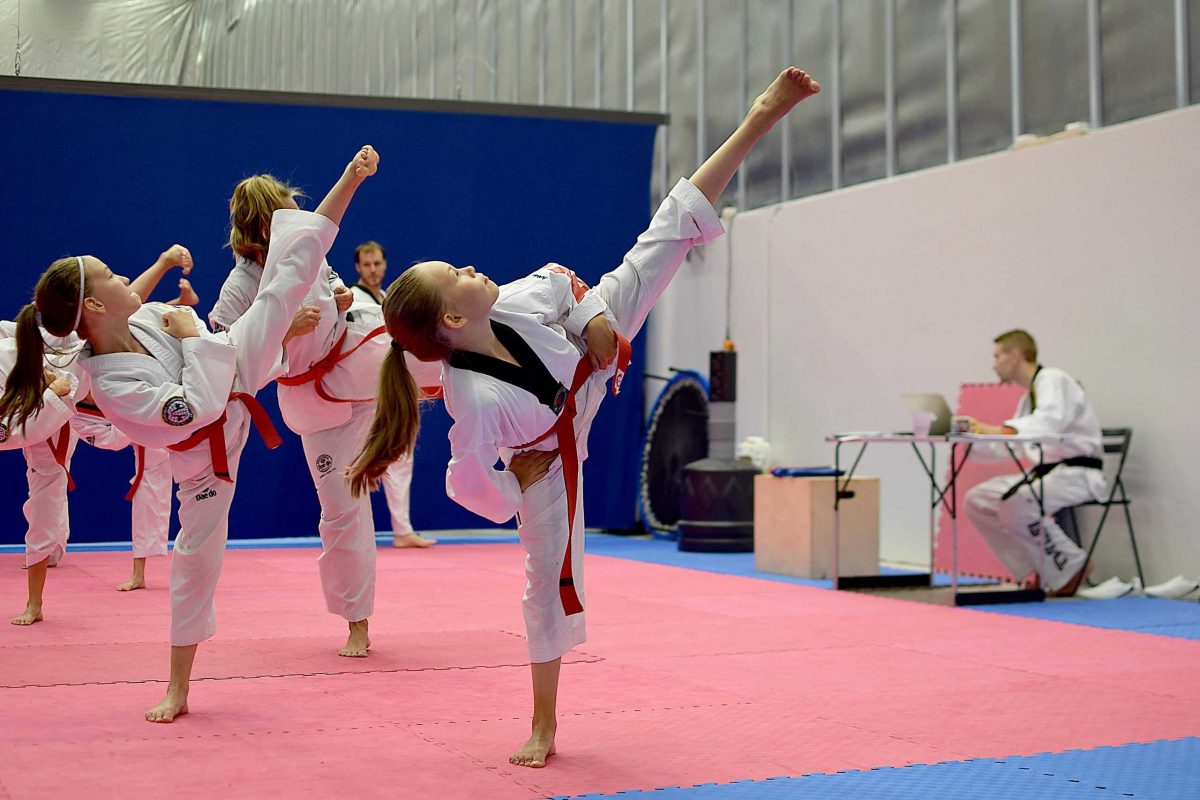
Do virtual workouts on websites. The exercises are designed so that you can do them at home even in a small space. The exercises are intended for the entire hobby community, but are also excellent basic training for those practicing in competition groups. If necessary, increase the level of challenge by raising the kick height, doing more laps or emphasizing power production and explosiveness in easy performances.
The members of the competition group also basically have their own experience of how to practice sports technique in different ways, so you can also prepare the training for yourself. It's also really good from the overall point of view to sometimes plan the exercises yourself and then implement them. In this way, you have to think about things more deeply than by simply following instructions. Always plan your own exercises and the number of repetitions before doing them, because it is quite difficult to carry out the training intensively enough in the initial stages without planning.
Link to video workouts: https://tu11.fi/taekwondo/virtuaalitunnit/
Password: Workout!
Kick and leg control exercise
This is an excellent workout for both a match and movement series competitor, and it's also easy to spice it up to suit your own needs by adding or removing the challenge level. You can also do more rounds if the exercise is too easy.
Almost every single exercise can be done with or without support. With support, it is easier to train mobility, but without support, balance and supporting muscle training are emphasized.
- Careful warm-up (jumping rope, match movement, muscle fitness exercises, knee lifts, running, active stretching, etc.)
- Choose one kick technique / movement direction you want to develop (front kick, spin kick, back kick, etc.)
- Knee lift to the starting position of the kick, take control of the movement by stopping the knee lift as high as you can
- Take the knee to the starting position of the kick and make it a small lift without any extra movement of the body. Do not return the knee to the ground in between.
- Slowly straighten the leg and return to the starting position. Don't put your foot on the ground.
- Extend the leg straight into the ready kicking position and hold the position
- Extend the leg straight and take it into the ready kicking position. From this position, make another small lift without extra movement of the body
- Do the full kicking technique, but stop the kick when the leg straightens
Range of motion exercise
It is difficult to train entire sets of movements in a small space, but individual areas and points can instead be honed well. The workout is also excellent for competitors as a side workout.
Remember to pay close attention to the cleanliness of positions and techniques, as well as clear stops.
- Careful warm-up (jumping rope, match movement, muscle fitness exercises, knee lifts, running, active stretching, etc.)
- Choose one set of movements that you go through from beginning to end, one direction at a time. The idea is that you always do one movement direction or in combinations, focusing all your attention on a certain point. Always go through the entire range of motion in this style before switching focus. You can go through a single point several times. Pay attention to:
- Doing it slowly, paying full attention to the cleanliness of the stances and hand techniques
- Full attention to stops and their changes. Explosive performances, good stops and extra steps away.
- Simultaneity of steps and hand techniques
- The stops
- Power output of hand techniques. Both the executing hand and the supporting hand
- Relaxation of shoulders and upper body
- Flow in combinations (also think about how different points and combinations should be done)
- Restorative stretching and rolling
A kicking exercise that increases mobility and kick height
Regardless of your racing style, increasing your kick height will do you no harm. This simple exercise will help you increase your kick height.
- Careful warm-up (jumping rope, match movement, muscle fitness exercises, knee lifts, running, active stretching, etc.)
- Kicks - do all 20 reps / leg. Could do with support
- Ahead
- Sideways
- Behind
- Back like a hook kick
- Front kick - do each partial performance 10 times / leg - with the aim of making each performance a little higher / further than the previous one
- On the ground, leaning on the elbows, the trajectory of the front kick. Keep the support leg straight
- On the ground, lying on your back, do a front kick with both hands in the knee bend of the performing leg
- Rear leg knee lift as high as possible
- Rear leg front kick as high as possible
- Front leg front kick as high as possible
- Two front kicks without recovery in between to the ground as high as possible
- Circuit kick – do each partial performance 10 times / leg – with the aim of making each performance a little higher / longer than the previous one
- Lying on the ground from the side position, the trajectory of the roundhouse kick
- Rear leg knee lift to the starting position of the rotation kick
- Back leg spin kick as high as possible
- Front leg spin kick as high as possible
- Two spin kicks as high as possible
- At this point, you already understand the pattern. Choose two more kicks that you will go through with the same system.
- As a final stretch, do two rounds of splits and splits on both sides, holding each stretch for one minute.
Resistance
Basic endurance is the backbone of all athletes in training. If it's not in order, you won't be able to train and recovery will be slower. Good basic endurance also strengthens the immune system and helps you stay healthy even during tougher training periods.
Endurance is practiced with long-term exercise, where heart rates stay in a certain range, depending on what kind of exercise effect is sought. In aerobic performance, the energy required for movement is mainly taken from body fats, and in anaerobic performance mainly from carbohydrates. A taekwondo athlete needs both, so versatility is key when training basic endurance.
|
|
Power
|
Heart rate range (proportion of maximum heart rate)
|
Feelings
|
Effect
|
|
Mainly carbohydrates
|
Maximum
|
90-100%
|
It feels very heavy, strong shortness of breath, exhaustion in the muscles
|
Develops maximum performance and lactic acid tolerance
|
|
Heavy
|
80-90%
|
It feels heavy, short of breath, fatigue in the muscles
|
Increases maximum performance and improves anaerobic endurance
|
|
Medium heavy
|
70-80%
|
It feels pleasant and can continue for longer periods of time
|
Improves aerobic fitness
|
|
Mainly fats
|
Light
|
60-70%
|
Feels light
|
Improves basic stamina
|
|
Very light
|
50-60%
|
Feels very light
|
Basic exercise, e.g. walking, speeds up recovery, strengthens the immune system
|
Endurance can be practiced in many ways, for example long-term sports training is also endurance training. If you want to focus only on endurance exercise, e.g. running, swimming and cycling are effective forms of exercise.
Endurance training should be carried out by varying the power ranges and execution methods of the exercises. This program has four different types of running exercises, which you can vary according to your own mood. The first two can also easily be changed to, for example, cycling.
- Long-term running exercise
- Restorative and light running exercise
- Interval training
- Hill training
Long-term running exercise
Power: medium heavy
Put on your sneakers and go out to enjoy the fresh air! Long-term running training should last closer to an hour, sometimes even longer. Start the exercise at a relaxed pace and stop after about 10 minutes to stretch and open the positions. Continue running at a slightly more intense pace so that you can run continuously, but it doesn't feel completely comfortable. If you haven't run much, start at a moderate pace. Run the last 10 minutes of the workout again at a clearly more relaxed pace. Stretch and roll the spots carefully after the workout.
Restorative and light running exercise
Power: light
A restorative and light running exercise lasts approx. 30 minutes and doesn't feel very intense. A good rule of thumb for keeping pace is PPP, i.e. "must be able to speak". Probably for most, the pace is more jogging than running. Remember to stretch and roll after training.
Interval training
Power: Heavy
In interval training, you can already properly reach the discomfort areas. Start running at a light and steady pace for 10 minutes. Stretch for a little while after this and open up the seats. After this, the interval part itself begins, which in all its simplicity goes like this
- Run as hard as you can for one minute, but still so that you can keep up the pace
- Walk or jog for the next minute (beginner runners can do a longer recovery period)
- Repeat steps 1-2 four more times
The intervals will therefore be 5 minutes in total. At the end, run another 10 minutes at a light and restorative pace. Remember to stretch and roll after training.
Interval training on the athletics field
Power: Heavy
This exercise should be done on the athletics field unless you are really good at judging distances. In training, hard strokes mean that you practically run so hard that you can keep up the speed until the end. However, strive for maximum performance.
- Start the exercise by running a couple of times around the field at a leisurely pace
- Do a few opening stretches
- Run 100m hard pull
- 1 min return
- Run 200m hard pull
- 1 min return
- Run 300m hard pull
- 1 min return
- Run 400m hard
- Repeat the exercise again. If you have just started interval training, even one round is enough
- Jog around one more time and shake / stretch your muscles carefully
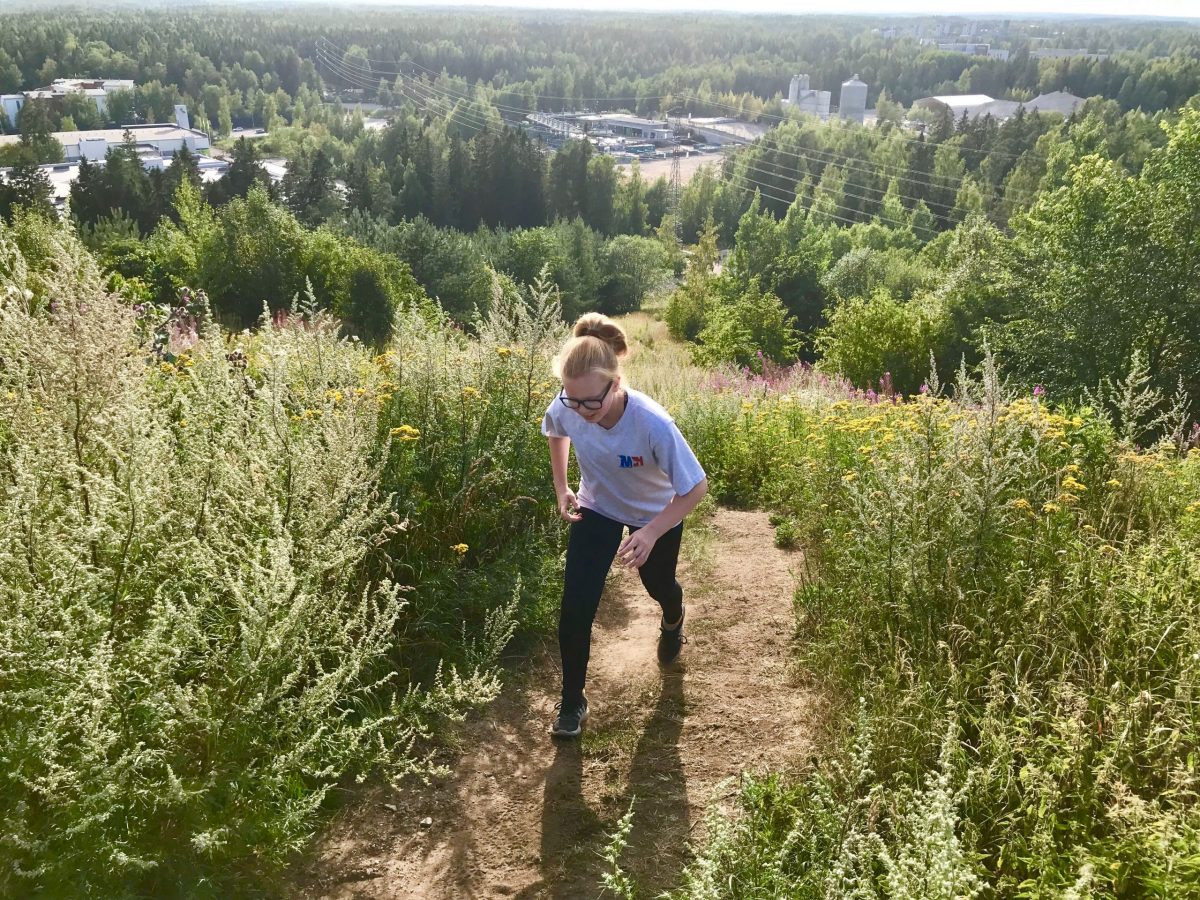
Hill training
Power: heavy-max
Those in Takamäki know what's to come. Find a sufficiently steep and long hill that takes at least 1 min to climb, but can take much longer. The top of Malminkartano is an excellent location for many types of hill training.
- Warm up by walking up the hill once
- Stretch and open the seats
- Go back down and prepare yourself mentally
- Run or walk up the hill as hard as you can. Try to keep the pace steady.
- Breathe up. If you haven't felt anywhere yet, increase the power in the next round.
- Walk down slowly and make sure that the recovery period lasts at least 5 minutes from the end of the previous run
- Repeat the hill run so that there are 5-10 runs. Increase repetitions as you improve
- Careful refueling, stretching and rolling after training
Crazy hill training
Power: heavy-max
Find a hill or stairs somewhere that will take you about 1-2 minutes to climb with the 75% at maximum power.
- Warm up by walking up a hill once or twice
- Stretching
- Come back down
- Run up the hill with about 75% power, so you shouldn't be dead at the top
- Immediately do 10 push-ups at the top
- After the push-ups, jog back down
- Repeat the performance 5-10 times. In the beginning, you should settle for a moderate amount.
- Careful refueling, stretching and rolling after training.
Speed play in the forest
Power: medium-heavy
Swedish endurance athletes developed the speed play training method already in the 30s when they were feverishly thinking about ways to beat their Finnish competitors, to whom they lost time and time again. The new training method proved to be very effective and is still a key part of the training of the world's top athletes today.
Pace exercises are similar to interval training, but are often not quite as intense. Rhythm exercises also give more room for listening to your own body and for variability, because they are not nearly as systematically structured as intervals.
The main idea is that during training, the runner varies his rhythm and speed repeatedly depending on his training goals. Variations can be implemented in many different ways. For example, you can listen to music while you run and change the pace to a tighter one every time you hit the chorus. Alternatively, you can run with a friend and alternately one pulls hard and the other tries to keep up. The most important thing is that you don't plan the exercise too carefully in advance and there will be a lot of speed variation within it.
The exercise proposed here is carried out in the forest, where you can run on an uneven surface, having to react to stones, tree stumps and other wonders of the forest. This is an excellent coordination workout in addition to endurance training. First, run a warm-up pace in a forest where you know there are enough trails. Run clearly harder for as long as you can, then slow down to a leisurely jog. Start the next bet as soon as you feel you can handle it. The most important thing is to listen to the body's messages and do the exercise according to them. Sometimes the pace play is much stricter than on other days. You decide! Make sharper strokes for as long as you can, then jog home at a leisurely pace as feedback. Finally, of course, stretching and rolling.
Speed training and jumping training
Speed and explosiveness training is an essential part of the training program of both a competitive athlete and a professional athlete. In the performances, the aim is to produce as much power as the body can leave, and the repetition times and number of repetitions are short. Instead, the recovery times should be kept long enough so that the body is sufficiently recovered for the next performance. You should always focus fully on the individual performance.
Jumping and leaping exercise
Always focus on high-quality performance and give your legs plenty of time to recover. When jumping, focus on changing the rhythm and jumping elastically. In jumps and the most demanding jumps, focus on maximum power output.
- Warm-up (match movement, jump rope, knee lift rhythms) and a few stretches
- A sharp effort from a light jump every fifth jump
- 5 high jumps / 3 rounds / 30s recovery in between
- Flat bounce rhythm out of place
- 20 jumps / 3 rounds / 30s recovery in between
- Balance effort upwards, knees to the chest during the jump
- 5 high jumps / 3 rounds / 1 min recovery in between
- Balance effort and spinning (as many rounds as possible)
- 5 high jumps / 3 rounds / 1 min recovery in between
- Effort with one leg so that the other knee is horizontal in the air throughout the performance. The pushing leg returns to the ground with a sharp movement after walking next to the other in a hook.
- 5 high jumps / 3 rounds / 30s recovery in between
Cooling down and light stretches
Sprint training
For sprint training, you need about 100m straight, where you can run an accelerating stroke. In all sprints, focus on generating as much speed as possible and also maintaining the speed. The most important part is the acceleration phase.
- Warm up by jogging for 5-10 minutes
- Opening stretches
- 3 x 40 m pull 90% at speed - walking recovery in between
- 5 min break
- 3 x 60 m pull 90% at speed - walking recovery in between
- 5 min break
- 3 x 60m pull 100% at speed - walking recovery in between
- 5 min break
- 3×5 jumps. About 1 min recovery between sets
- Triple jump from places with equal effort start. 3×5 performances. 1 min break between sets
- Restorative Jogging and stretching
Strength training
Strength training focuses on training basic strength and strength endurance, i.e. the exercises are done with your own body weight and the sets are long. Athletes who do their strength training in the weight room can still do this, but it's worth adding bodyweight training in between as well.
If the exercises run out or start to get boring, ask Paul for more.
Exercise 1 – traditional fitness circuit for the whole body
The fitness circle doesn't get any more traditional than this. The exercise is done as a rotational exercise so that you move from one movement to the next as soon as the previous one is finished. In a fitness circuit, the entire body is systematically covered, allowing individual muscle groups to recover while performing movements aimed at another group. Therefore, there is no need to take long breaks. Do the movements at such a pace that you can last the whole time.
Individual movements are made against the clock and the time is always announced after the movement. If you feel that the exercise is too easy, increase the time on the clock or do another lap after the first one. If it's too challenging, take some time off or do easier versions of the movements. If necessary, see the instructions for the exercises at the end of the exercise program.
The exercise lasts about 30 min.
|
|
Movement / performance
|
Duration / Quantity
|
|
1
|
Careful warm-up. Open the range of motion of the joints and warm up the muscles before performing (knee lifts, jumping jacks, skipping rope, shadow boxing). Also remember to do a few opening stretches.
|
5-10 min
|
|
2
|
Press
|
30 p
|
|
3
|
Sitting up (basic abdominal muscle movement)
|
30 p
|
|
4
|
Swimmer
|
30 p
|
|
5
|
Basic squat
|
45 p
|
|
6
|
Plank
|
1 min
|
|
7
|
Wide grip push-up
|
30 p
|
|
8
|
Stomach cramping
|
30 p
|
|
9
|
Lifting the upper body from lying down
|
30 p
|
|
10
|
Squat jump
|
45 p
|
|
11
|
Plank
|
1 min
|
|
12
|
Leg in the air push-up
|
30 p
|
|
13
|
Linker
|
30 p
|
|
14
|
Raising the legs from lying down
|
30 p
|
|
15
|
Jump squat
|
45 p
|
|
16
|
General store
|
45 p
|
|
17
|
Plank
|
1 min
|
|
18
|
Final cooling. Do some light restorative exercise using the same principles as in the initial warm-up phase. Briefly stretch the muscles you've been using. At the end, shaking and rolling.
|
5-10 min
|
Exercise 2 – Slow holds and posture control exercises
In this exercise, we enjoy long holds and challenging positions. The exercise especially strengthens control of the middle body. Try to maintain a strong support in all movements by tensing the muscles of the middle body and do all movements slowly, in a controlled manner and maintaining the target position.
If necessary, you can put more or less time on the clock to increase or decrease the challenge level. The starting positions of the movements are familiar from other exercises and the end of the program, but you can find more detailed instructions in the exercise itself. Take a 10-30 s break between each movement.
Do 2-3 rounds of the main part of the exercise.
The exercise lasts about 30 min.
|
|
Movement / performance
|
Duration / Quantity
|
|
1
|
Careful warm-up. Open the range of motion of the joints and warm up the muscles before performing (knee lifts, jumping jacks, skipping rope, shadow boxing). Also remember to do a few opening stretches.
|
5-10 min
|
|
2
|
Push-up position
|
45 p
|
|
3
|
Turns on one hand, the other hand towards the ceiling
|
30 p
|
|
4
|
A touch with a crossed arm on the shoulder
|
30 p
|
|
5
|
Touching the knee alternately with the elbow
|
30 p
|
|
6
|
Crossed arm and leg extension
|
30 p
|
|
7
|
1 push-up that lasts 30s, i.e. 15s down and 15s up
|
30 p
|
|
8
|
|
|
|
9
|
Abdominal hold
|
45 p
|
|
10
|
After the shift, lift one leg clearly higher
|
30 p
|
|
11
|
Pedal with your feet like you would pedal a bicycle
|
30 p
|
|
12
|
Cross your legs sideways. Change the position of your feet every time
|
30 p
|
|
13
|
Russian Twist
|
30 p
|
|
14
|
|
|
|
15
|
Plank
|
45 p
|
|
16
|
Take turns lifting your legs off the ground
|
30 p
|
|
17
|
Lift one leg off the ground
|
30 p
|
|
18
|
Lift one leg off the ground
|
30 p
|
|
19
|
Alternately lift one hand off the ground
|
30 p
|
|
20
|
|
|
|
21
|
Final cooling. Do some light restorative exercise using the same principles as in the initial warm-up phase. Briefly stretch the muscles you've been using. At the end, shaking and rolling.
|
5-10 min
|
Exercise 3 – AMRAP
Amrap comes from words as many rounds as possible. These are nice exercises because they guarantee you'll get a sweat on the surface and you can push yourself to the limit, while the structure of the exercise also allows you to take it easy if it's not the best day. Amrap works by doing a certain amount of movement and then moving on to the next one. When all the movements are done, let's start the round from the beginning. The whole cycle takes as long as you want to do, and the goal is of course to collect as many full rounds as possible in this time. It's worth competing against yourself if you plan to do the exercise again.
Our Amrap this time lasts 20 minutes, on top of which there is a certain warm-up and stretching. You can take breaks whenever you need to, but remember that the goal is to do as many rounds as possible!
The exercise takes about 40 minutes in total.
|
|
Movement / performance
|
Duration / Quantity
|
|
1
|
Careful warm-up. Open the range of motion of the joints and warm up the muscles before performing (knee lifts, jumping jacks, skipping rope, shadow boxing). Also remember to do a few opening stretches.
|
5-10 min
|
|
2
|
Press
|
10 pcs
|
|
3
|
Abdominal crunch OR linker
|
10 pcs
|
|
4
|
General store
|
10 pcs
|
|
5
|
Basic squat
|
15 pcs
|
|
6
|
Mountain climber
|
30 pcs
|
|
7
|
Reverse Burpee
|
10 pcs
|
|
8
|
Final cooling. Do some light restorative exercise using the same principles as in the initial warm-up phase. Briefly stretch the muscles you've been using. At the end, shaking and rolling.
|
5-10 min
|
Exercise 4 – Deck of cards
A deck of cards is a fun exercise because it's different every time. You can also freely apply and change the movements corresponding to different countries according to your own choices. The idea of training is simple. You need a deck of cards that needs to be shuffled properly. After this, you start to draw cards from the deck one at a time. The country always indicates the move that needs to be made and the number, in turn, the number of pieces. The ace is, of course, 14. Sometimes the deck is brutal and makes challenging moves one after another. Not for the faint of heart.
The exercise takes about 40 minutes in total.
|
|
Movement / performance
|
Duration / Quantity
|
|
1
|
Careful warm-up. Open the range of motion of the joints and warm up the muscles before performing (knee lifts, jumping jacks, skipping rope, shadow boxing). Also remember to do a few opening stretches.
|
5-10 min
|
|
2
|
Hertta - Sitting up
|
The amount indicated by the card
|
|
3
|
Box - Step Squat (with both legs the amount shown on the card)
|
The amount indicated by the card
|
|
4
|
Pot - General store
|
The amount indicated by the card
|
|
5
|
Cross – Push-up
|
The amount indicated by the card
|
|
6
|
Jokeri – 10 pieces of diamond push-ups
|
|
|
8
|
Final cooling. Do some light restorative exercise using the same principles as in the initial warm-up phase. Briefly stretch the muscles you've been using. At the end, shaking and rolling.
|
5-10 min
|
Exercise 5 – Boring but effective
This exercise is very simple and may even seem boring to some. However, it is extremely effective in strengthening the muscular endurance and endurance of the middle body and arms. You can make the exercise more difficult by increasing the time or number of repetitions, and make it easier by lightening the movements by putting your knees on the ground. There are only two movements, but there are even more of them.
It's worth putting on a good playlist or audio book in the background so you can run away.
The exercise lasts about 30 min.
|
|
Movement / performance
|
Duration / Quantity
|
|
1
|
Careful warm-up. Open the range of motion of the joints and warm up the muscles before performing (knee lifts, jumping jacks, skipping rope, shadow boxing). Also remember to do a few opening stretches.
|
5-10 min
|
|
2
|
Press
|
10 pcs
|
|
3
|
Plank
|
30 p
|
|
4
|
Press
|
9 pcs
|
|
5
|
Plank
|
30 p
|
|
6
|
Press
|
8 pcs
|
|
7
|
Plank
|
30 p
|
|
8
|
Press
|
7 pcs
|
|
9
|
Plank
|
30 p
|
|
10
|
Press
|
6 pcs
|
|
11
|
Plank
|
30 p
|
|
12
|
Press
|
5 pcs
|
|
13
|
Plank
|
30 p
|
|
14
|
Press
|
4 pieces
|
|
15
|
Plank
|
30 p
|
|
16
|
Press
|
3 pcs
|
|
17
|
Plank
|
30 p
|
|
18
|
Press
|
2 pieces
|
|
19
|
Plank
|
30 p
|
|
20
|
Press
|
1 pc
|
|
21
|
Plank
|
30 p
|
|
22
|
Final cooling. Do some light restorative exercise using the same principles as in the initial warm-up phase. Briefly stretch the muscles you've been using. At the end, shaking and rolling.
|
5-10 min
|
Exercise 6 – Core
In core training, the middle body gets the attention it deserves. Do all movements slowly and in a controlled manner. At all times, you should feel that you are in control of the performance and that gravity is not doing the work for you. Some of the movements are holds and some are repeatable. However, do the repeatable ones slowly and in a controlled manner.
Add a challenge to the workout by doing more rounds or more repetitions.
The exercise lasts about 30 min.
|
|
Movement / performance
|
Duration / Quantity
|
|
1
|
Careful warm-up. Open the range of motion of the joints and warm up the muscles before performing (knee lifts, jumping jacks, skipping rope, shadow boxing). Also remember to do a few opening stretches.
|
5-10 min
|
|
2
|
Press
|
15 pcs
|
|
3
|
Sitting up
|
15 pcs
|
|
4
|
Plank
|
45 p
|
|
5
|
Side grip on both sides
|
45 p
|
|
6
|
Spider-man blush
|
10 pcs
|
|
7
|
Stomach cramping
|
10 pcs
|
|
8
|
Bridge
|
45 p
|
|
9
|
Take a little break
|
|
|
10
|
Wide grip push-up
|
10 pcs
|
|
11
|
Linker
|
10 pcs
|
|
12
|
Plank
|
45 p
|
|
13
|
Mountain Climber
|
40 pcs
|
|
14
|
Tapeworm grip
|
45 p
|
|
15
|
Swimmer
|
20 pcs
|
|
16
|
Leg drop from supine position
|
15 pcs
|
|
17
|
Plank
|
45 p
|
|
18
|
Final cooling. Do some light restorative exercise using the same principles as in the initial warm-up phase. Briefly stretch the muscles you've been using. At the end, shaking and rolling.
|
5-10 min
|
Exercise 7 – Pyramid against time
Pyramids can be built in many ways. For example, you can start with a small number of movements and increase little by little or vice versa. In this exercise, 1 movement is added each round and the exercise itself lasts 20 min. The goal is to get as far as possible
Add a challenge to the workout by doing more rounds or more repetitions.
The exercise lasts about 30 min.
|
|
Movement / performance
|
Duration / Quantity
|
|
1
|
Careful warm-up. Open the range of motion of the joints and warm up the muscles before performing (knee lifts, jumping jacks, skipping rope, shadow boxing). Also remember to do a few opening stretches.
|
5-10 min
|
|
2
|
Set the clock on for 20 min
|
|
|
3
|
Press
|
1 pc
|
|
4
|
Abdominal crunch OR linker
|
1 pc
|
|
5
|
General store
|
1 pc
|
|
6
|
Lowering the legs from lying on the back
|
1 pc
|
|
7
|
Reverse Burpee
|
1 pc
|
|
8
|
Upper body lifting from lying down
|
1 pc
|
|
9
|
Start the round from the beginning, but add 1 pc to the amount you made in the last round
|
|
|
10
|
Final cooling. Do some light restorative exercise using the same principles as in the initial warm-up phase. Briefly stretch the muscles you've been using. At the end, shaking and rolling.
|
5-10 min
|
Exercise 8 – Heart rate up!
In this exercise, the purpose is to do either muscle fitness movements or aerobic exercise such as jumping rope, shadow boxing, squatting, running or any repetitive movement where you breathe. You can go out for a run and do the exercise as an interval.
The idea is that the exercise itself is done for 24 minutes, always alternating muscle fitness and aerobic exercise every minute.
The exercise lasts about 30 min.
|
|
Movement / performance
|
Duration / Quantity
|
|
1
|
Careful warm-up. Open the range of motion of the joints and warm up the muscles before performing (knee lifts, jumping jacks, skipping rope, shadow boxing). Also remember to do a few opening stretches.
|
5-10 min
|
|
2
|
Set the clock to 24 min
|
|
|
3
|
Press
|
1 min
|
|
4
|
Aerobic
|
1 min
|
|
5
|
Sitting up
|
1 min
|
|
6
|
Aerobic
|
1 min
|
|
7
|
Plank
|
1 min
|
|
8
|
Aerobic
|
1 min
|
|
9
|
General store
|
1 min
|
|
10
|
Aerobic
|
1 min
|
|
11
|
Stomach cramping
|
1 min
|
|
12
|
Aerobic
|
1 min
|
|
13
|
Hold in the basic position
|
1 min
|
|
14
|
Aerobic
|
1 min
|
|
15
|
Do the same movements again, and the total time should be 24 min
|
|
|
16
|
Final cooling. Do some light restorative exercise using the same principles as in the initial warm-up phase. Briefly stretch the muscles you've been using. At the end, shaking and rolling.
|
5-10 min
|
Compilation of muscle fitness movements
Upper body and arms
Press
Basic push-up, hands shoulder-width apart. As a relief, you can put your knees on the ground if necessary. As a difficulty, you can do clap push-ups.
Wide grip push-up
There's not really a grip on anything here, but the idea is to place the hands clearly wider than in the basic push-up. You'll notice the resistance moving more and more to your pectorals and shoulders. For difficulty, widen the distance of your hands even more, and for relief, put your knees on the ground.
Leg in the air push-up
Do a push-up so that one leg always goes up in the air as you go down. The hand grip can be slightly wider than a normal push-up. For relief, you can put your knees on the ground.
Diamond push-up
A challenging version of the push-up. Put your hands in a diamond shape under your body. Push up as low as you can. Kneel on the ground again if necessary.
Spider-man push-up
Push up as usual, but always when going down, touch the elbow of the same side with your knee. You will notice that the movement is clearly heavier than the basic push-up and the pectoral muscles also get to work.
Mid-body and abs
Sitting up
Basic abdominal muscle movement. Keep your legs at an angle of about 90 degrees and use your abdominal muscles to get up from lying down to sitting. you can keep your hands behind your neck or on your chest, for example. Try to do the performance without any extra swinging motion.
Stomach cramping
Lie on your back with your arms straight, as in handstands. Use your abdominal muscles to curl yourself into a ball as small as possible, also bringing your legs into the hook. As a difficulty, you can keep your hands and feet in the air throughout the movement.
Linker
The starting position is the same as in the crunch, but this time you raise your legs and arms straight up. Always touch your feet with your hands during the crunch phase.
Russian Twist
Sit on the ground and raise your bent legs in the air. Alternately take your hands as far to the side as possible. You can adjust the challenge level with the angle of your body.
Leg drop from supine position
Lie on your back and lift your legs straight up towards the ceiling. Slowly lower your legs close to the floor and lift them up again.
Mountain climber
Get into a push-up position, but bring the other leg clearly forward under the body. Repeatedly change the position of the feet while jumping. As an added challenge, you can keep your front foot in the air.
Swimmer
Raise the arm and the crossed leg to the stomach, landing straight at the same time as high as you can. Do the next exercise on the other side. As a difficulty, you can keep all limbs in the air throughout the performance, and start the lifts higher. Note despite the shop's name, you shouldn't try to swim with this technique. :D
Lifting the upper body from lying down
Lie on your stomach on the ground and raise only your upper body and arms as high as you can. As a difficulty, you can keep your arms as straight as possible in front of you.
Raising the legs from lying down
Lie on the ground on your stomach and lift only your legs as high as you can.
Lower body and legs
Basic squat
Stand in a position about shoulder width apart and squat so that your heels stay on the floor. Make sure that your gaze remains forward and that your knees and ankles are in the same direction. You can keep your hands either in front of you for balance or close to your body on your hips or chest.
Step squat
Take a long step forward and let your hips drop as you bend your knees. Go as low as you can, but so that the knee of the back leg does not hit the ground. Push yourself back to the starting position from the front and repeat the movement, switching sides.
Squat jump
Like a basic squat, but clearly faster movement and when coming up, jump as high as possible. For added spice, you can clap in the air with your hands straight above your head.
Jump squat
Keep your legs overlapping as if you were doing a semi-deep step forward squat. Switch sides by jumping in place. Try to jump as high as possible.
Parties and other special shops
Plank
A position familiar to everyone, a must have. If not, look on Google.
Abdominal hold
Lie on your back on your elbows. Raise your straight legs about 10 cm off the ground. To make it easier, you can bend your legs a little
Side grip
Go sideways onto your elbows and lift your hips up so that they are in line with your legs. As a result, the upper leg can be lifted slightly into the air.
Tapeworm grip
Get into a push-up position, but bring your hands so far forward that you can barely keep your body in the air. Enjoy.
Bridge
Certainly a familiar movement to almost all sports people. As a bridge, pull yourself up from lying on your back or fall straight from standing (if you can). If mobility does not allow you to keep your head on the ground between your hands.
General exercise (Burpee)
A popular movement among bodyweight trainees. Start the movement from a shoulder-width position. Quickly descend into a squat and before the momentum ends at the bottom, put your hands on the ground and push both legs back so that you end up in a push-up position. Use your chest on the floor either by doing a push-up or otherwise just bending your elbows, after which you return to the push-up position. Quickly get up and do one jump. All of the above happens quickly and in a consistent manner. If you didn't catch the explanation at all, see the model on YouTube, for example.
Reverse Burpee
Pretty much identical to the general movement, except that in the reverse burpee you lie down on your back in the same step as you went to the push-up position in the general movement. So lie on your back and stretch your arms straight over your head parallel to the floor. Reach up and do a high jump. Repeat.
Mobility and stretching
Feel free to do mobility exercises daily and always as part of other training. In addition to this, do independent mobility exercises, where the goal is to increase mobility.
In particular, the familiar leg swings should be done daily, e.g. as follows:
- Leg swing forward 3 x 10 / leg
- Leg swing to the side 3 x 10 / leg
- Leg swing back 3 x 10 / leg
- Leg swing in the direction of the hook kick with a straight leg 3 x 10
- Straight leg lifts in the air 3 x 10 / leg
In all stores, you can use support if needed.
Otherwise, there are virtual workouts with specially targeted stretching workouts to help you stretch:
Link to video workouts: https://tu11.fi/taekwondo/virtuaalitunnit/
Password: Workout!
Other excellent stretching workouts from Youtubers:
https://www.youtube.com/watch?v=u12YSQeJDfQ
https://www.youtube.com/watch?v=–SAbvaYuJY
https://www.youtube.com/watch?v=9X-4dGjcIcQ
https://www.youtube.com/watch?v=L_xrDAtykMI